
A physical therapy website plays a larger role than most clinics realize. It is not just where patients learn about your services. It is where they decide whether to contact you or continue searching.
Most patients will visit multiple physical therapy websites before choosing a provider. They are comparing services, evaluating credibility, and looking for a clear path forward. That process happens quickly. If your site is slow, difficult to navigate, or unclear about what you treat, patients move on.
Spartanburg physical therapy web design determines how your clinic performs in that moment. It affects how your services are understood, how your clinic is perceived, and whether a visitor becomes a patient.
At Spartan SEM, web design for physical therapy clinics is built around patient behavior, search intent, and conversion. The objective is not just to create a clean-looking website, but to build a system that supports SEO, improves paid ad performance, and consistently generates patient inquiries.
Is Your Website Bringing in Patients or Losing Them?
If patients are finding your clinic but not reaching out, your website could be the reason. Structure, speed, and clarity determine whether they take the next step.
What Physical Therapy Websites Need to Do
Physical therapy websites are not informational assets alone. They are part of how clinics attract and convert patients.
A well-structured physical therapy website should:
- Load quickly across all devices, especially mobile
- Clearly explain conditions treated and services offered
- Guide visitors toward contacting the clinic
- Build trust within the first few seconds
- Align with how patients search for care
Websites for physical therapists that fail in any of these areas tend to lose patients before they ever make contact.
Why Most Physical Therapy Websites Underperform
Many physical therapy websites look professional but do not generate consistent patient inquiries.

The issue is rarely effort. It is how the site is structured. When that structure does not match how patients search or make decisions, even well-designed websites fail to produce results.
Common problems include:
Generic, Template-Based Design
Template websites often group services broadly and fail to reflect how patients search for specific conditions. When a patient is looking for help with back pain or post-surgical rehab, they are not looking for a general overview. They are looking for a provider who clearly treats their specific issue.
Weak Service Structure
Conditions and treatments are not clearly separated, making it difficult for patients to find relevant information. This forces visitors to search for answers within the site, which increases drop-off and reduces the likelihood of contact.
Slow Performance
Unoptimized images and outdated frameworks reduce load speed, especially on mobile devices. Patients searching for care are not waiting for a slow site to load. Delays lead directly to lost opportunities.
No Clear Conversion Path
Patients are not guided toward contacting the clinic. If the next step is not obvious, whether it is booking an appointment or calling, most visitors will leave without taking action.
No Alignment with SEO or PPC
The site is not built to support search visibility or paid campaigns. Traffic from search or ads lands on pages that are not aligned with patient intent, which lowers both rankings and conversion rates.
These issues do not exist in isolation. They compound. A slow site with weak structure and no clear next step does not just underperform. It actively limits patient acquisition, regardless of how much traffic is being driven to it.
At Spartan SEM, physical therapy website design focuses on correcting these structural issues so the site supports visibility, improves conversion, and contributes directly to consistent patient growth.
Built Around How Patients Make Decisions

Patients do not browse physical therapy websites casually. They are looking for answers and reassurance.
Strong website design reflects that process.
This includes:
- Pages focused on specific conditions such as back pain, post-surgical rehab, or sports injuries
- Clear explanations of treatment approaches
- Simple navigation that helps patients find what they need quickly
- Strong calls to action placed throughout the site
- Trust signals that support credibility and confidence
Every page should move the visitor closer to scheduling or contacting your clinic.
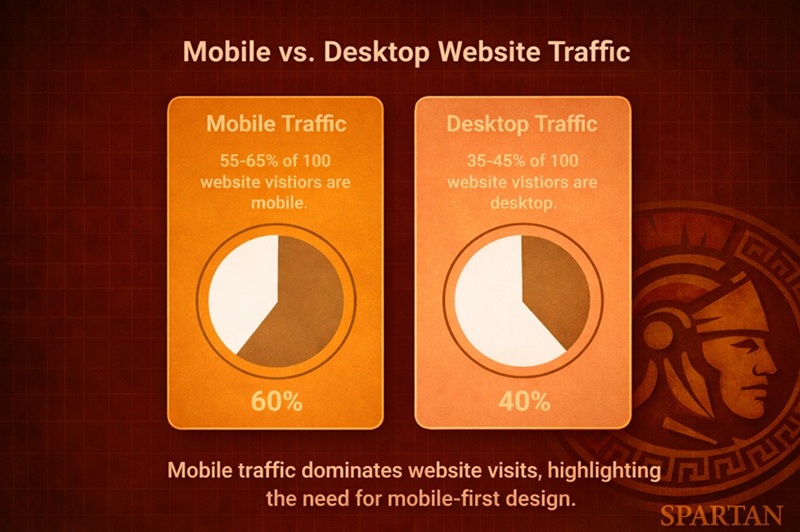
Mobile-First and Built for Performance
Most physical therapy searches happen on mobile devices.
Patients may be:
- Searching for treatment options after an injury
- Looking for a nearby clinic
- Comparing providers before making a decision
If your site is slow or difficult to use, they leave.
Physical therapy web design needs to prioritize:
- Fast load times
- Mobile-friendly layouts
- Easy navigation
- Quick access to contact options
At Spartan SEM, performance is built into the foundation of every website, not added later.
Good Website Design Is Part of a Comprehensive Marketing Strategy
Your website is not separate from your marketing. It is what every channel depends on.
Built to Support Physical Therapy SEO
Your website structure directly impacts how well your clinic ranks in search results.
Physical therapy website design should support:
- Condition-based service pages
- Content aligned with patient search intent
- Internal linking that improves visibility
- Clear site architecture for search engines
A strong foundation allows physical therapy SEO to perform effectively and consistently.
Built to Support Paid Ads and Patient Acquisition
Paid ads bring patients to your site. What happens next determines whether that click becomes an inquiry.
If your landing pages are not aligned with what patients are searching for, conversion rates drop and cost per lead increases.
At Spartan SEM, websites for physical therapists are structured to support PPC campaigns, ensuring that traffic from paid ads leads to real patient inquiries.
A Better Website Changes What Your Marketing Produces
When your site is built around how patients search and decide, traffic turns into real inquiries instead of missed opportunities.
How Physical Therapy Website Design Impacts Growth
A well-built website does more than improve appearance. It changes how your clinic grows.
With the right structure in place, your website becomes:
- A consistent source of patient inquiries
- A stronger destination for paid traffic
- A platform that supports long-term SEO growth
- A system that scales with your clinic
Without that structure, marketing efforts become less effective and less predictable.
What to Expect from a High-Performing Physical Therapy Website
When physical therapy website design is done correctly, clinics see measurable improvements:

- Increased engagement from visitors
- More time spent on site
- Higher conversion rates
- More consistent patient inquiries
This is not just a visual upgrade. It is a performance improvement that affects how your clinic acquires new patients.
Who This Is For
Spartanburg physical therapy web design is a strong fit for:
- Clinics with outdated or underperforming websites
- Practices investing in SEO or PPC without strong results
- Physical therapists looking for consistent patient inquiries
- Clinics preparing to scale their marketing
If your website is not contributing to growth, it is limiting it.
FAQs About Spartanburg Physical Therapy Web Design
What makes physical therapy website design different?
Patients are often searching based on specific conditions, not providers. Websites need to reflect that by organizing content around patient needs rather than general services.
Can a new website improve SEO performance?
Yes. Site structure, page speed, and content organization all directly impact how well a clinic ranks in search results.
Does web design affect PPC performance?
Yes. Landing pages play a major role in conversion rates. A well-structured website improves how paid traffic converts into patient inquiries.
How long does it take to build a physical therapy website?
Timelines vary depending on scope, but most projects take several weeks from planning to launch, with ongoing improvements afterward.
Get Started with Spartanburg Physical Therapy Web Design
If your current website is not generating consistent patient inquiries, there is a structural reason behind it.
Physical therapy web design works when your site is built around how patients search, how they evaluate providers, and how they decide to take action.
When those elements are aligned, your website becomes more than a place patients visit. It becomes a system that guides them from search to decision smoothly.
When your website is built correctly, it does not just support your marketing. It drives it.
Turn Your Website Into a Consistent Source of Patients
A well-structured site does more than look better. It supports SEO, improves PPC performance, and drives steady patient inquiries.